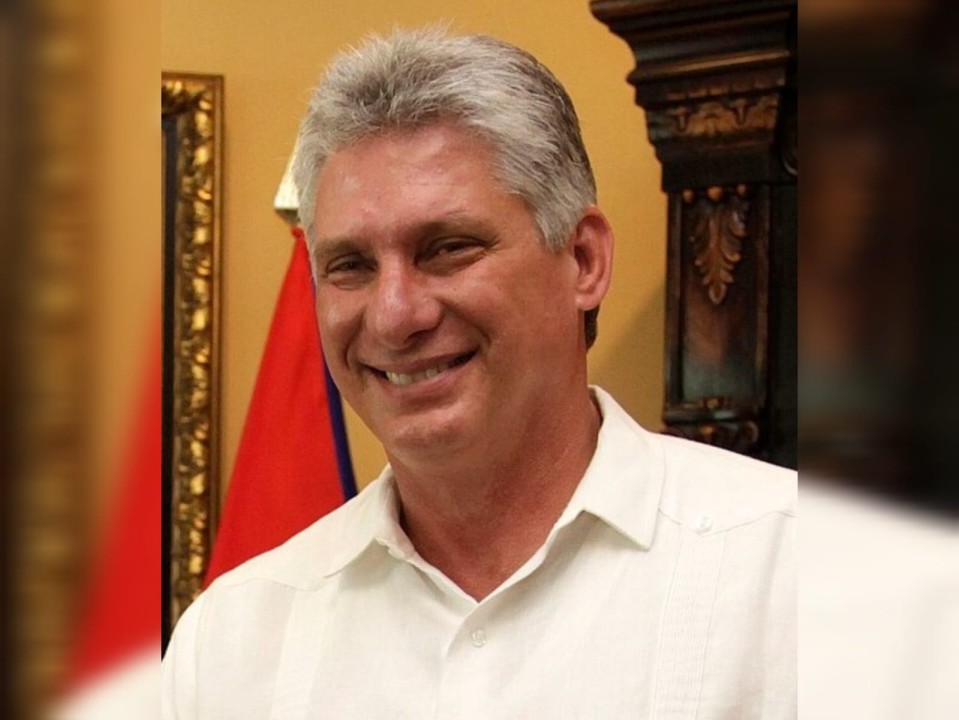
The United States has introduced a new set of economic sanctions aimed at the highest levels of the Cuban leadership, including President Miguel Díaz-Canel and his family, as well as members of the Castro family. This move is part of a broader initiative to increase pressure on the Cuban regime. The sanctions also target entities associated with Cuba’s military and state-affiliated organizations, such as the Ministry of the Revolutionary Armed Forces and its related institutions. Additionally, individuals with connections to former President Raúl Castro, who still wields considerable influence in Cuba despite not holding an official government position, are affected by these measures.
US officials have articulated that these sanctions are designed to amplify economic and diplomatic pressure on the Cuban government. Secretary of State Marco Rubio emphasized that those offering support or services to the sanctioned entities, including foreign banks and international companies, could face penalties as well. This recent action by the US aligns with ongoing restrictions on Cuba, which have included a longstanding economic embargo. The relationship between the two nations has seen further strain in recent years, with the US accusing Cuba of political repression and interference in regional matters, while Cuba attributes its deepening economic crisis to US sanctions.
The announcement of these sanctions is consistent with a broader strategic approach under President Donald Trump, who has been increasing economic and political pressure not only on Cuba but also on other countries in the region. This approach has been marked by efforts to isolate the Cuban government further and respond to what US officials describe as persistent human rights abuses and regional destabilization efforts by the Cuban authorities.
The introduction of these sanctions reflects an ongoing tension in US-Cuba relations, characterized by a complex interplay of political and economic factors. While the Cuban government continues to argue that US policies are exacerbating its financial difficulties, US officials maintain that these measures are necessary to hold the Cuban leadership accountable for its actions. The impact of these sanctions, both on the Cuban economy and the broader geopolitical landscape, remains to be seen as both nations navigate this challenging diplomatic terrain.