
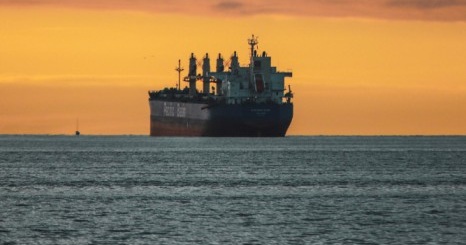
In a significant market shift, global oil prices experienced a steep decline on Friday following comments from US President Donald Trump, who suggested that a peace agreement with Iran could be imminent. This development spurred optimism about a potential reduction in tensions in the Strait of Hormuz, a vital corridor for international oil and gas shipments. Brent crude prices, which had been hovering around $93 per barrel earlier in the week, briefly dipped below $85 before stabilizing between $87 and $89. The market’s response was tempered by mixed messages emerging from both Washington and Tehran.
The initial drop in oil prices was driven by the prospect of the Strait of Hormuz reopening, which is crucial for the global energy supply chain. However, this optimism faced challenges as the situation remained fluid, with both the US and Iran providing conflicting updates on the status of their negotiations. President Trump announced that planned military action against Iran had been halted due to progress in talks, yet he also downplayed claims that a deal had been finalized. Meanwhile, Iranian representatives confirmed ongoing discussions but emphasized that no concrete agreement had been reached.
Oil markets, renowned for their sensitivity to geopolitical events, have been particularly volatile amidst the current US-Iran developments. Analysts note that prices have been oscillating sharply in response to news either hinting at conflict or suggesting diplomatic resolutions. This unpredictability underscores the complex nature of the geopolitical landscape and its impact on commodity markets.
Despite the recent fluctuations in oil prices, some financial analysts remain cautiously optimistic about future stability. They anticipate that as global supply conditions improve and inventories are replenished, oil prices could gradually find equilibrium. Nonetheless, these forecasts are clouded by the persistent geopolitical risks and varying demand dynamics that continue to influence the market.