
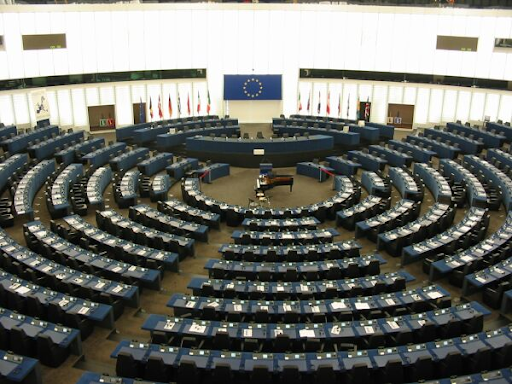
European lawmakers have formally halted the US trade agreement ratification, challenging President Trump’s attempt to condition tariff policy on European support for his Greenland ambitions. The suspension represents Brussels’ most concrete material action against what European leaders have described as political blackmail.
Bernd Lange, head of the European Parliament’s trade committee, established clear terms for resuming negotiations, stating that Greenland-related threats must cease entirely before compromise becomes possible. The frozen agreement had been set to eliminate tariffs on many American industrial exports to Europe.
The European Union has preserved its commitment to purchasing $750 billion worth of American energy, with officials confirming this arrangement operates independently from the suspended trade agreement. This strategic separation allows Brussels to maintain energy security cooperation while defending against political coercion.
Diplomatic relations showed visible strain when European Commission President Ursula von der Leyen altered her schedule, returning to Brussels for emergency summit preparations.
Brussels’ response demonstrates that territorial sovereignty principles trump commercial considerations in European decision-making hierarchy. By suspending a beneficial trade deal specifically because of threats related to Greenland—a Danish territory within the EU framework—Europe signals that territorial integrity matters more than tariff benefits. This principled stance establishes clear red lines around sovereignty that cannot be crossed regardless of economic incentives. The Thursday summit will examine whether to reinforce this message through €93 billion in counter-tariffs and anti-coercion mechanisms targeting US market access.