
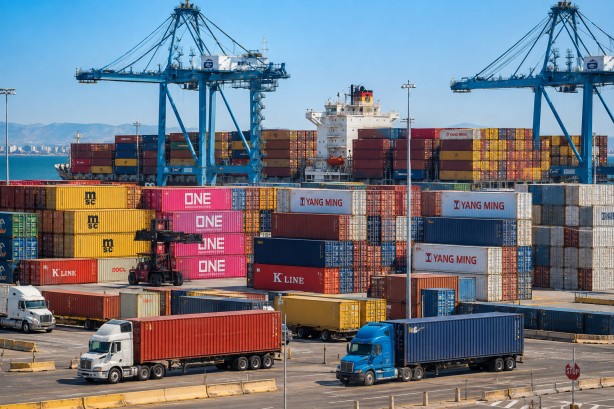
The United States government has begun reimbursing approximately $100 billion in tariffs that were originally collected under the trade policies implemented during President Donald Trump’s administration. This action follows a Supreme Court ruling that deemed a substantial part of these tariffs unlawful. These refunds represent about 60% of the total $165 billion collected before the court’s intervention. Trump’s tariffs had been a cornerstone of his trade strategy, designed to promote domestic manufacturing, negotiate more favorable trade deals, and increase federal revenue.
Despite the return of these funds to the affected companies, the federal budget deficit continues to expand, reaching $1.37 trillion over the first nine months of the current fiscal year. This ongoing deficit highlights the complexities of balancing trade policy with fiscal health. The decision to refund these tariffs marks a significant development in the ongoing debate over the effectiveness and legality of trade measures that were once deemed essential to the Trump administration’s economic agenda.
In a move that has sparked further controversy, the Trump administration recently introduced a new series of tariffs, ranging from 10% to 12.5%, on imports from over 80 nations. These countries include major trade partners such as India, China, the United Kingdom, Canada, Mexico, Australia, and members of the European Union. The administration has justified these new tariffs by citing concerns related to products allegedly connected to forced labor practices.
However, these latest tariffs have not gone unchallenged. A coalition consisting of 25 U.S. states has mounted fresh legal opposition, arguing that these measures unlawfully replace the tariffs previously invalidated by the Supreme Court. This legal battle underscores the ongoing tension between state and federal authorities over trade policy and its implications for domestic and international relations.