
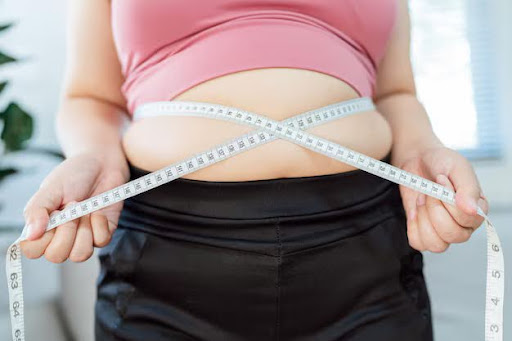
While no single food is a magic solution for reducing waist circumference, dietary choices have a profound cumulative effect on visceral fat levels over time. Understanding which foods promote abdominal fat accumulation and which ones actively support its reduction gives individuals a practical, food-by-food framework for making dietary choices that serve their waist health goals and the organ protection that comes with them.
The foods most consistently linked to increased visceral fat accumulation share common characteristics: high glycemic load, high fructose content, and pro-inflammatory composition. Sugar-sweetened beverages — sodas, fruit juices, energy drinks, sweetened teas — are the single dietary category most strongly associated with visceral fat accumulation in population studies. Their high fructose content drives hepatic fat production and promotes visceral fat deposition with particular efficiency. Eliminating or drastically reducing sugar-sweetened beverages is therefore among the highest-priority dietary changes for waist health.
Ultra-processed foods — packaged snacks, fast food, ready meals, and other highly processed items — represent the second major category to reduce. These foods tend to be calorie-dense, fiber-poor, and rich in the refined carbohydrates and saturated fats that promote visceral fat deposition. They also dysregulate appetite hormones, making overconsumption more likely. Replacing ultra-processed foods with whole, minimally processed alternatives is a foundational dietary strategy for reducing waist circumference.
On the other side of the equation, several food categories have been consistently linked to reduced visceral fat or protection against its accumulation. Foods rich in soluble fiber — oats, legumes, apples, barley — reduce visceral fat by improving insulin sensitivity and supporting beneficial gut bacteria. Fatty fish rich in omega-3 fatty acids — salmon, mackerel, sardines — have anti-inflammatory effects that attenuate visceral fat-driven inflammation. Green tea, with its combination of catechins and caffeine, has been shown in several studies to specifically promote visceral fat reduction.
Building a diet that emphasizes these protective foods while minimizing the problematic ones creates a cumulative dietary environment that is unfavorable for visceral fat accumulation. This is not about dietary perfection — it is about consistent daily choices that, over weeks and months, shift the metabolic balance in favor of a smaller waist and healthier organs. Every meal is an opportunity to support or undermine your waist health; understanding which foods do which gives you the power to choose wisely.