
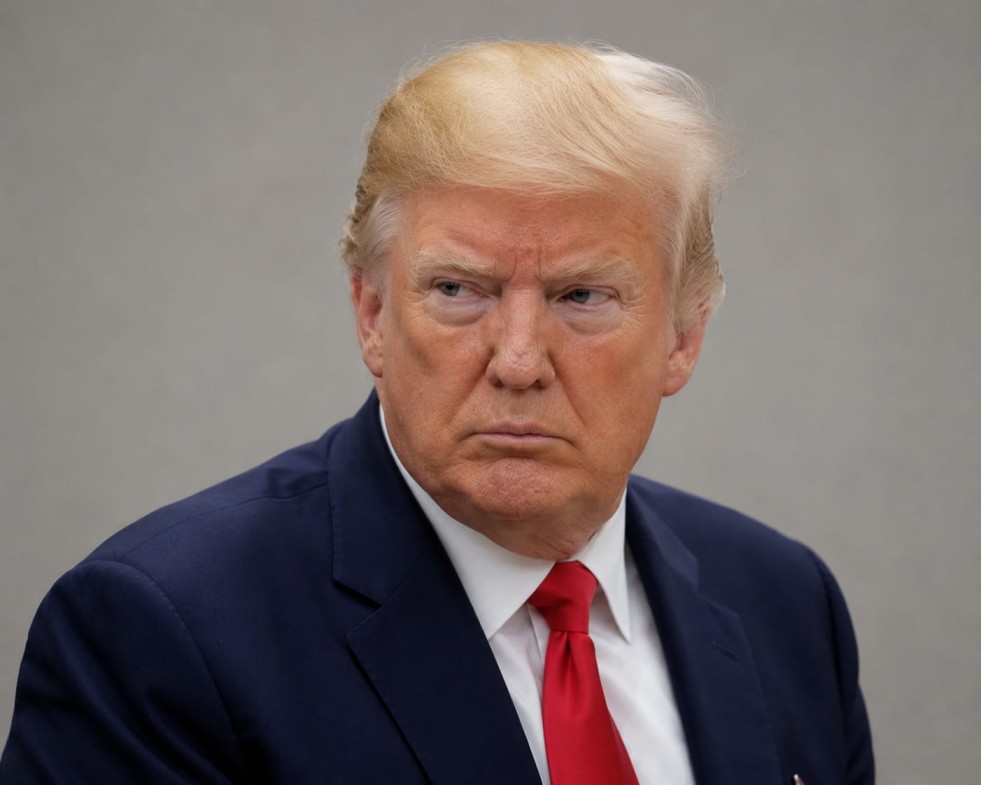
As the upcoming North Atlantic Treaty Organization (NATO) summit in Ankara approaches, U.S. President Donald Trump has expressed criticism of the current dynamics within the alliance. He has described the relationship as “one-sided” and lacking reciprocity, emphasizing his dissatisfaction with the level of support the United States receives from its NATO partners. Trump’s comments, shared via social media, highlighted his concerns regarding the lack of backing from several NATO allies during recent conflicts, particularly with Iran. He described it as “ridiculous” for the U.S. to continue shouldering what he perceives to be an unequal share of the alliance’s defense responsibilities.
Throughout his presidency, Trump has consistently advocated for European NATO members to take on more responsibility for their own defense. This stance has led his administration to initiate steps aimed at reducing certain U.S. defense commitments across Europe. These moves reflect his broader strategy of encouraging a more balanced distribution of defense burdens among NATO allies.
The tensions within the alliance were further acknowledged by U.S. Secretary of State Marco Rubio. He noted the president’s dissatisfaction with the response of some NATO allies to U.S. military actions in the Middle East, suggesting this issue could become a focal point during discussions at the summit. Rubio’s remarks underscore the ongoing challenges in maintaining cohesion among the alliance’s members, particularly regarding collaborative military operations.
NATO leaders from its 32 member countries are set to convene in Ankara on July 7–8. The summit will provide a platform to address key issues such as defense cooperation, tackling security challenges, and exploring future commitments. As these leaders prepare to meet, the dialogue is expected to be heavily influenced by the concerns raised by the United States regarding the alliance’s current operational dynamics and the need for a reevaluation of shared responsibilities.