
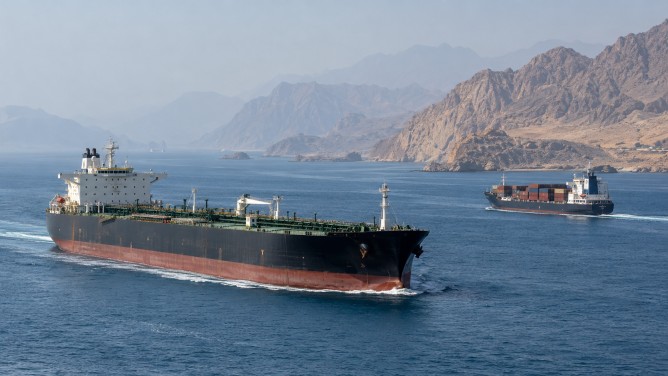
The Iranian Foreign Minister, Abbas Araghchi, has indicated that the Strait of Hormuz could potentially reopen within six days if the United States accepts Tehran’s conditions. These conditions include lifting restrictions on Iranian ports, removing sanctions on oil exports, and ending regional hostilities. The reopening of this critical global shipping route, through which around 20% of the world’s oil and liquefied natural gas trade previously flowed, hinges on these negotiations, which could resume shortly after an agreement is reached.
Despite this possible breakthrough, significant challenges remain. The United States and Iran have differing priorities, with Washington insisting that any talks must address Iran’s nuclear program, particularly uranium enrichment, from the outset. In contrast, Tehran wants initial discussions to focus on the reopening of the Strait of Hormuz and enhancing security in the region.
The Iranian Defence Minister, Mehrdad Akhlaghi, has issued a stark warning that any renewed US military action would lead to severe repercussions for Washington and its allies. He emphasized Iran’s preparedness to respond to any further attacks, highlighting the tensions that persist in the region.
The ongoing disagreement over nuclear issues presents a major obstacle to progress. While Iran is reviewing Washington’s response to its proposal, the prospects for a diplomatic agreement remain uncertain. Both sides must navigate these complex issues to potentially restore stability and security in the Strait of Hormuz.
As the situation unfolds, the impact of any prolonged disruption in the Strait of Hormuz could significantly affect international energy supplies and fuel prices. The world watches closely as these negotiations progress, hoping for a resolution that will ensure the free flow of energy through this vital maritime corridor.