
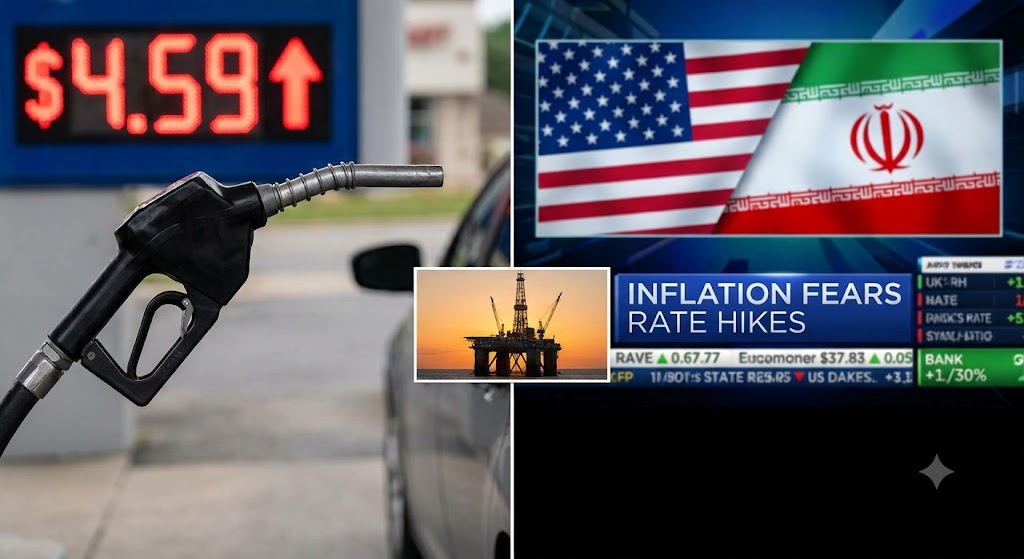
Global oil and gas prices witnessed a significant surge following a renewal of military tensions between the United States and Iran, sparking fears over potential disruptions to energy supplies and inflationary pressures. Brent crude saw a spike, reaching its highest point in over a month, although it later eased after U.S. President Donald Trump decided against implementing a 20% fee on ships passing through the critical Strait of Hormuz.
The initial increase in energy prices has heightened expectations that central banks, such as the Bank of England and the European Central Bank, might consider raising interest rates later this year to tackle inflation. This potential policy shift led to an uptick in bond yields, while European stock markets experienced a temporary decline before rebounding as worries over the proposed shipping levy subsided.
Market analysts suggest that the ongoing tensions in the Middle East are likely to maintain volatility in energy markets. Such instability could have far-reaching effects on global inflation rates and influence monetary policy decisions in the coming months.
As the situation between the U.S. and Iran unfolds, energy market observers and financial institutions remain vigilant, closely monitoring developments that could impact economic stability. The geopolitical climate in the Middle East continues to be a pivotal factor in determining future trends in energy pricing and broader economic conditions.