
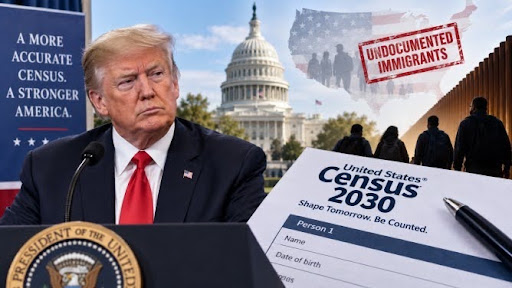
The Trump administration has put forward a proposal to amend the US census process by excluding undocumented immigrants from the total population count. This proposed change stands to influence the allocation of federal resources and the delineation of congressional districts. Traditionally, the US census, which occurs every decade, has included all individuals residing in the country, irrespective of their citizenship or immigration status. The census data plays a crucial role in determining the distribution of federal funds and the apportionment of seats in the House of Representatives.
Under the new proposal, only lawful permanent residents would be counted in the census, potentially omitting undocumented immigrants along with certain other non-permanent residents. To facilitate this, the Census Bureau might employ government administrative records to assess the legal status of individuals counted. This proposed change marks a significant departure from past practices and could have far-reaching implications on demographic reporting and political representation.
Additionally, the administration is contemplating revisions to the census questions regarding race and ethnicity. The rationale behind this consideration lies in concerns about the relevance and sensitivity of the data currently collected. Any such modifications could impact the demographic information utilized by policymakers and governmental bodies, influencing decisions that rely on accurate population representations.
The proposal is anticipated to encounter legal pushback from Democratic leaders and advocacy organizations. They argue that the Constitution mandates the census to account for every person residing in the United States, regardless of their legal status. The debate over these proposed changes highlights the broader discussions surrounding immigration and representation in government.