
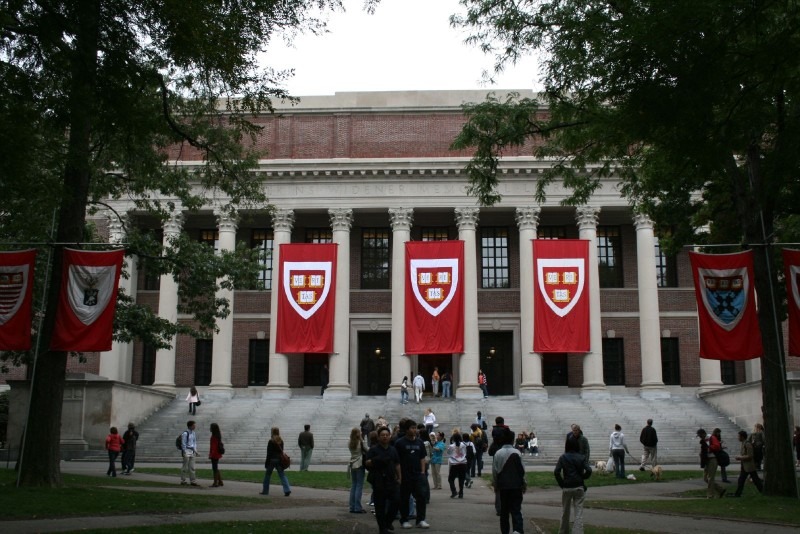
Harvard University faces a stark choice: comply with anti-discrimination laws as interpreted by the Trump administration or lose all federal support. The administration’s investigation concluded that the civil rights of Jewish students were violated, asserting that Harvard was a “willful participant in anti-Semitic harassment” and that campus leaders allowed anti-Semitism to grow.
This critical decision point for Harvard follows a period where it had already lost over $2.6 billion in federal funding. That prior loss was a direct consequence of the university’s rejection of President Trump’s demands for sweeping changes in campus hiring, admissions, and governance. The current threat emphasizes the gravity of the civil rights findings.
The Trump administration’s engagement with Harvard has been multifaceted. Prior to the anti-Semitism investigation, President Trump had publicly criticized the university’s enrollment of international students, proposing a 15% cap. His rationale was that a high percentage of foreign students, such as Harvard’s reported 31%, disadvantaged American applicants.
The dispute reached a legal standoff when the administration revoked Harvard’s Student and Exchange Visitor Program certification, effectively barring the university from enrolling new international students and threatening the status of current ones. Harvard responded by suing the Trump administration, labeling the ban as unconstitutional retaliation. However, recent statements from President Trump indicate a potential thaw in relations, with ongoing negotiations hinting at a possible “historic” settlement.