
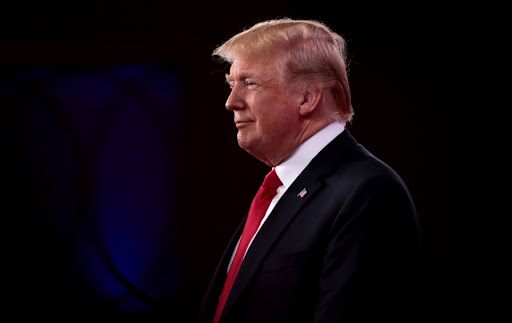
President Donald Trump appeared to use the Iran military campaign as a platform for laying the groundwork of a post-NATO American strategy on Tuesday, publicly attacking the alliance after its members refused to support the operation. He posted his vision on Truth Social and in Oval Office remarks, calling the allied nations’ non-involvement a “foolish mistake.” Trump’s language suggested a deliberate effort to position the United States as a power that no longer depends on multilateral security frameworks.
The idea of a post-NATO American strategy represents a significant departure from decades of US foreign policy. Trump has questioned the alliance’s value throughout his career, but Tuesday’s remarks suggest he may be moving toward a more explicit rejection of multilateral military commitments in favor of bilateral and unilateral approaches. The Iran operation appears to have accelerated that evolution.
Trump described the results of the campaign against Iran in comprehensive terms, saying the country’s military had been effectively dismantled. He cited the elimination of Iran’s navy, air force, radar systems, and anti-aircraft defenses as the core achievements. He further claimed that Iranian leadership had been removed at virtually every level, permanently ending Tehran’s capacity for regional aggression.
If these claims are verified, the strategic consequences would extend well beyond the Middle East. A United States that achieves decisive military results without NATO would have significantly less incentive to maintain the alliance’s financial and military commitments. Trump appeared fully aware of the implications of his remarks and intent on making them as clear as possible.
For NATO allies, the possibility of a post-NATO American strategy is an existential concern. Governments must engage urgently and constructively with Washington to demonstrate the alliance’s continued value. How they meet this challenge will determine the future of Western collective security.