
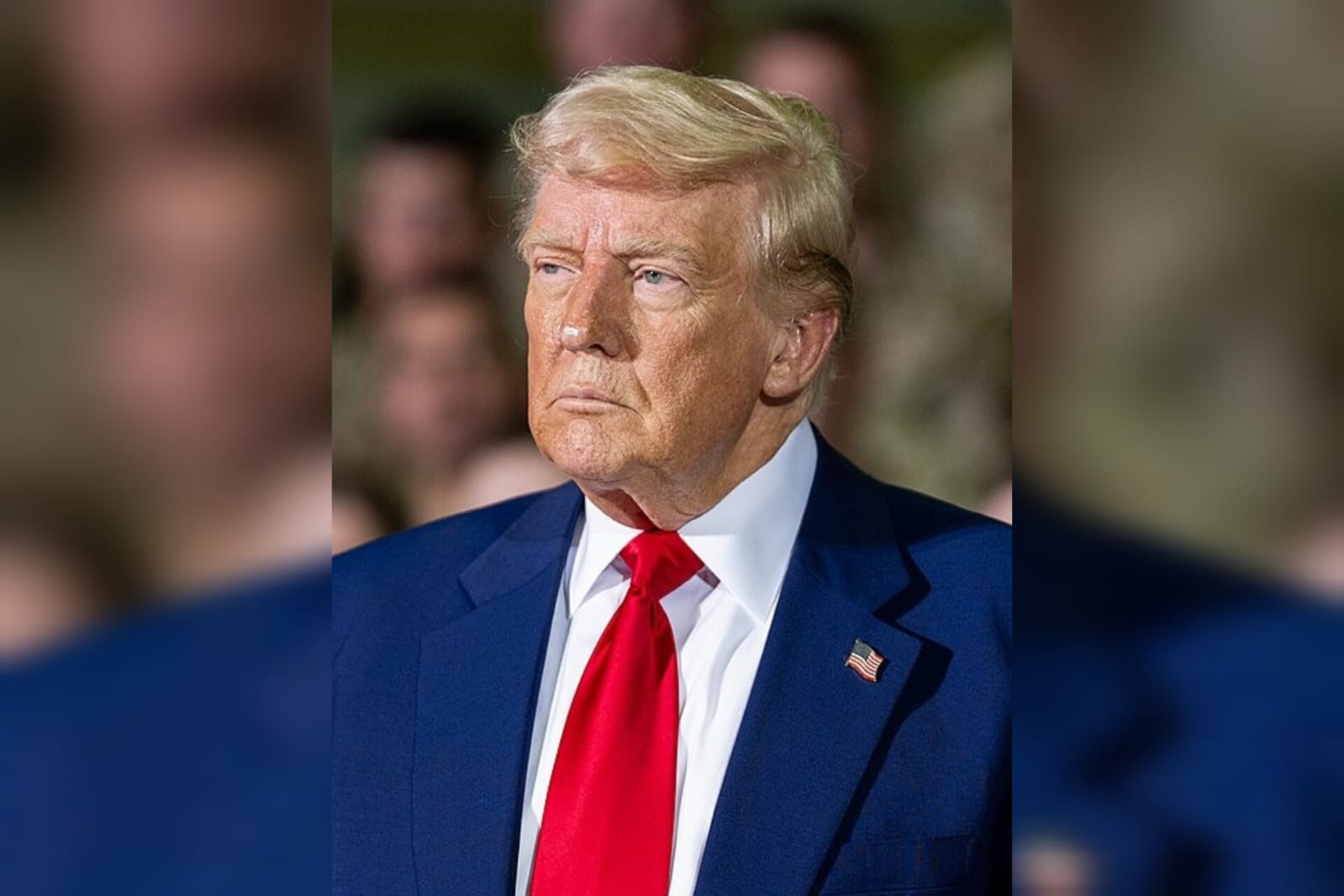
The recent memorandum of understanding between the United States and Iran, signed by U.S. President Donald Trump, has ignited a spectrum of reactions worldwide. While some global leaders view it as a positive move towards easing tensions, critics contend that it offers Iran substantial concessions without clear assurances on its nuclear program. Among the agreement’s supporters is Pakistan’s Prime Minister Shehbaz Sharif, who commended the diplomatic efforts and highlighted the reopening of the Strait of Hormuz and the potential for renewed dialogue between Washington and Tehran. Leaders from the G7 echoed these sentiments, considering the deal a significant opportunity to curb Iran’s nuclear activities and stabilize international energy markets.
According to the terms laid out in the MOU, Iran has agreed to reopen the critical maritime passage of the Strait of Hormuz. In exchange, the United States will relax certain sanctions, specifically those targeting Iranian oil exports, petroleum products, and related banking services. The agreement sets the stage for upcoming discussions over the next 60 days concerning Iran’s nuclear program and its enriched uranium stockpile. This development has been met with mixed reactions, particularly in Israel, where many political leaders and former officials express concern that easing economic pressure on Iran might embolden it without implementing effective constraints on its nuclear ambitions.
In Israel, critics have voiced strong objections, suggesting that the deal may bolster Iran’s position without securing tangible restrictions on its nuclear pursuits. Opposition figures have also criticized the Israeli government, claiming it was excluded from the negotiation process, and some analysts warn of heightened security risks for Israel as a consequence of the agreement. The prospect of Iran gaining economic advantages through the deal without concrete commitments has fueled these apprehensions.
Within the United States, the response has been varied. Some Republican lawmakers have expressed cautious optimism about the potential for diplomacy, pointing to the reopening of the Strait of Hormuz and a reduction in hostilities as positive outcomes. Conversely, other Republicans and several Democratic leaders have raised concerns, arguing that the agreement benefits Iran economically while offering only vague promises regarding its nuclear program. President Trump, however, has hailed the deal as a significant triumph for the United States, whereas Iranian officials have framed it as a testament to their effective negotiation strategy.