The Iran conflict’s oil price shock is creating a stark division in the global financial system, separating winners from losers in ways that are already reshaping the economic fortunes of countries, companies, and individuals around the world. With Brent crude having surged more than 25% in a single week to above $91 a barrel, the redistribution of economic value occurring in real time is one of the most dramatic in recent financial history.
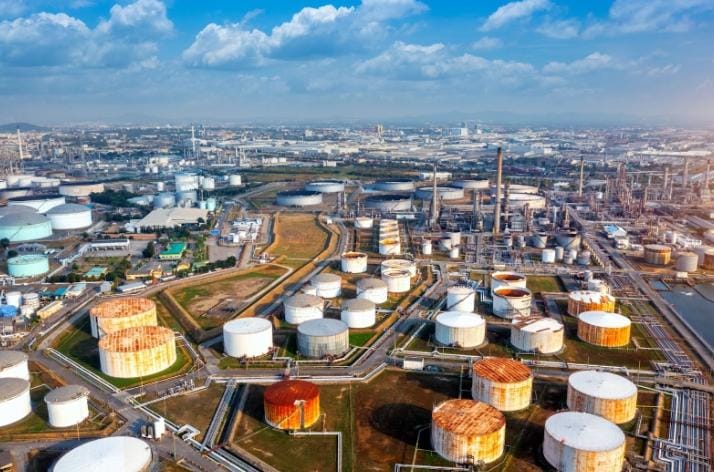
The clearest corporate winners are oil and gas producers outside the Gulf conflict zone. North Sea operators, US shale companies, Canadian oil sands producers, and others are seeing their revenues surge as they sell output at prices not seen since April 2024. Energy service companies — the drillers, pipeline operators, and equipment suppliers that support oil and gas production — are also beneficiaries, as higher prices incentivize increased production investment.
The clearest corporate losers are businesses that use significant quantities of energy as an input. Airlines are the most visible and dramatic example, with IAG falling more than 12% and Wizz Air losing nearly a fifth of its stock market value. But the losses extend to manufacturers, logistics companies, chemicals producers, and retailers with large distribution networks. Any company with significant fuel costs has seen its financial model disrupted by the week’s events.
At the national level, the redistribution favors oil-exporting nations outside the conflict zone — particularly Norway, the US, and Canada — at the expense of oil-importing nations, which bear the cost of higher energy prices in higher inflation, wider trade deficits, and reduced consumer spending power. The situation is particularly severe for developing world oil importers, which face both higher prices and a stronger dollar.
The financial sector sits awkwardly between these camps. Banks with significant exposure to energy sector lending have seen their corporate portfolios improve on the upstream production side while deteriorating on the consumer and industrial side. Bond markets have suffered from surging yields. Insurance companies face potentially massive claims from the Gulf shipping crisis. The winners-and-losers dynamic of the oil shock is creating complexity across the financial system that will take months to fully map.