
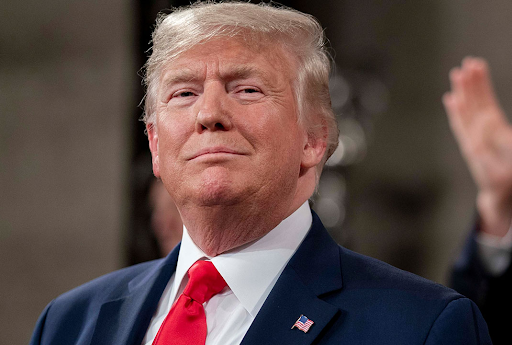
The Nobel Peace Prize has a long and cherished history of honoring the “quiet work” of peace—the patient, often unglamorous, efforts of individuals and institutions that strengthen the foundations of global fraternity. This deep appreciation for quiet dedication is fundamentally at odds with Donald Trump’s loud, headline-grabbing brand of diplomacy, making him a poor fit for the award.
Experts point out that the Norwegian Nobel Committee is not drawn to spectacle. They are drawn to substance. They often reward the meticulous work of treaty negotiators, the brave reporting of investigative journalists, or the decades-long struggle of human rights activists. This is the quiet work that changes the world from the ground up.
Trump’s diplomatic style is the polar opposite. It is loud, personal, and designed for maximum media impact. The signing of the Abraham Accords on the White House lawn was a major television event, a perfect example of his approach. He operates through rallies, dramatic announcements, and a constant stream of public commentary.
This clash of styles—the quiet and the loud—is more than just a matter of personality. It reflects a different understanding of how peace is achieved. The committee believes in the slow, steady pressure of building norms and institutions. Trump believes in the power of the individual leader to disrupt the status quo and force a result.
Given this profound difference, the committee is expected to continue its tradition of honoring the quiet work. They will likely choose a laureate who has labored for years without seeking the spotlight, whose victory will come as a surprise to the world but not to those who have followed the patient, difficult, and often quiet path to peace.