
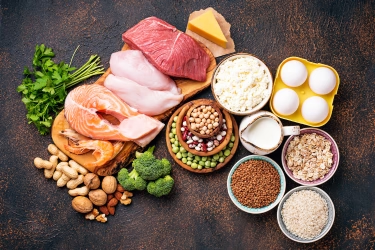
High-protein meal plans have become the gold standard for weight loss, yet many individuals find that their carefully structured plans don’t lead to the expected results. Understanding why high-protein meal plans often fail is crucial for optimizing nutrition strategies.
The composition of high-protein meals often includes significant amounts of fats and carbohydrates, making them more calorie-dense than many people realize. This can lead to consuming excess calories while believing they’re following a protein-focused eating plan.
The reliance on processed protein products to create high-protein meals can backfire by providing less satiety and satisfaction than whole food alternatives. This reduced satisfaction often leads to increased snacking between planned meals.
Success requires creating meal plans that are truly protein-rich while maintaining awareness of overall caloric content and emphasizing whole food sources that provide maximum satiety and nutritional value.